
Industry Insights & Documentation
Why Are Rolex Watches So Expensive?
Five years ago, I sold a Rolex Submariner 114060 for $8,200 cash. Last month, the same reference in comparable condition moved for $14,500 on the secondary market. That’s a 77% jump while inflation barely moved.
Every week, a first-time buyer messages us at EasyWatch Pro with the same question: “I get it’s a nice watch, but why does a Rolex cost this much?” Fair question. Let’s pull back the curtain.
Every modern Rolex movement — Caliber 3230, 3235, 4130 — is designed, machined, assembled and adjusted under one roof in Geneva. Each movement goes through days of testing across six positions and three temperatures before it even touches a case. That overhead shows up on the dial, not in a marketing brochure.
Rolex does not ramp up production to meet demand. Steel sports models are allocated, not sold. When a brand deliberately caps supply at 1.2 million watches a year while demand is triple that, the math on the retail price writes itself. Read our deeper take on vintage vs modern Rolex pricing trends.
Oystersteel (904L) is harder to machine and more corrosion-resistant than the 316L steel most luxury brands use. Cerachrom ceramic bezels, 18k Everose gold, and Rolex’s own Parachrom hairspring all carry real material cost — not marketing cost.
Here is the part that justifies the price for smart buyers: a Rolex almost never returns to zero. Five years on, a steel Submariner gives back 70–90% of what you paid. Compare that to most Swiss luxury watches, which can drop 40% the moment you leave the boutique. Box and papers only widen that gap.
Twinlock and Triplock crowns, the Oyster case, Chromalight lume, Paraflex shock absorbers — decades of patented engineering you cannot legally copy. That legal moat is why no other manufacturer can build a watch that functions like a Rolex, even if they try cosmetically.
A Rolex is one of the only objects on earth a stranger can identify in half a second, with zero context. That social signal — the “permission slip” — is priceless in business, weddings, and casual dinners. You are not paying for 200 grams of steel; you are paying for the recognition.
An official Rolex service runs $800–$1,200 every 5–10 years. That cost exists because the brand over-engineers the movement to last 50+ years. Cheap watches fail; Rolexes come back. We break this down honestly in when and why to service a mechanical watch.
At the end of the day, a Rolex is expensive because people keep paying it. That’s not a conspiracy — it’s a market. Every other point on this list only exists because the secondary market keeps absorbing supply at a premium. Until that stops, the retail price won’t.
A real case from our bench: the Daytona that doubled
Last spring, a customer brought in a Daytona 116500LN “Panda” he’d bought at an AD in 2018 for $12,400. We helped him list it; it sold for $38,000 six weeks later. He reinvested half into a Submariner 124060, kept the rest. That is the math no spreadsheet model will show you — and it’s the reason people ask us, every single week, whether a Rolex is actually worth the money.
Honest answer: if you treat it as a wearable, maintainable asset, yes. If you treat it as a status emoji to flex on social media, no. The difference is between a 5-year hold and a 5-month hold.
Rolex vs Omega vs Tudor: quick value comparison
Rolex
5-yr resale: 70–95%
Waitlist: Yes
Best for: long hold, status, liquidity
Omega
5-yr resale: 45–65%
Waitlist: Rarely
Best for: in-house movements, value buy
Tudor
5-yr resale: 55–75%
Waitlist: Some models
Best for: Rolex quality, half the entry price
Looking for your first one? Start here
If you’re reading this and thinking “okay, but where do I actually begin?” — don’t jump straight to the Daytona. Size first, budget second. Our guide on choosing the right watch size for your wrist and our roundup of best luxury watches for first-time collectors will save you from a $10k mistake. And before you wear it daily, read how to clean a steel bracelet properly — the last thing you want is a scratched investment.
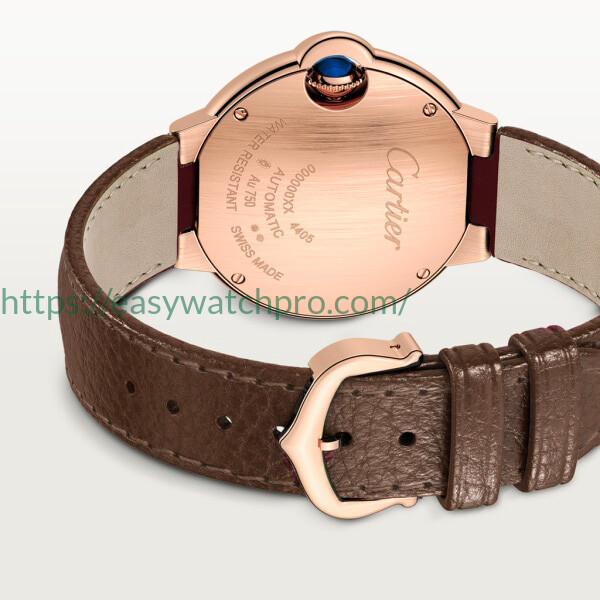
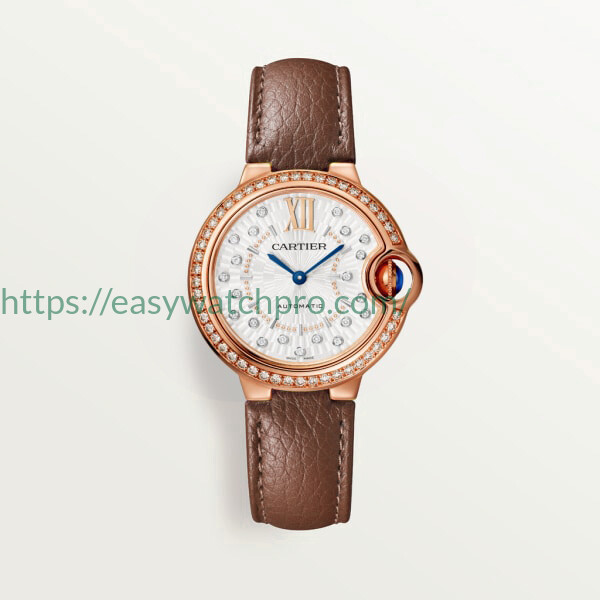
BALLON BLEU
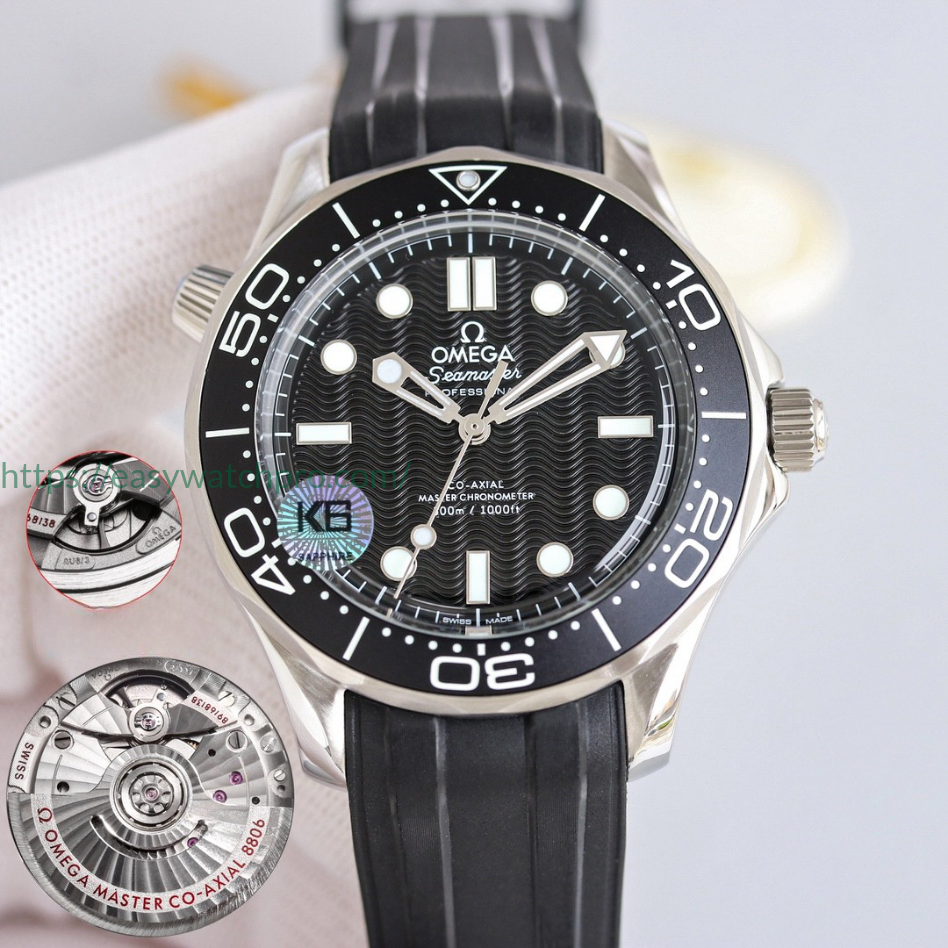
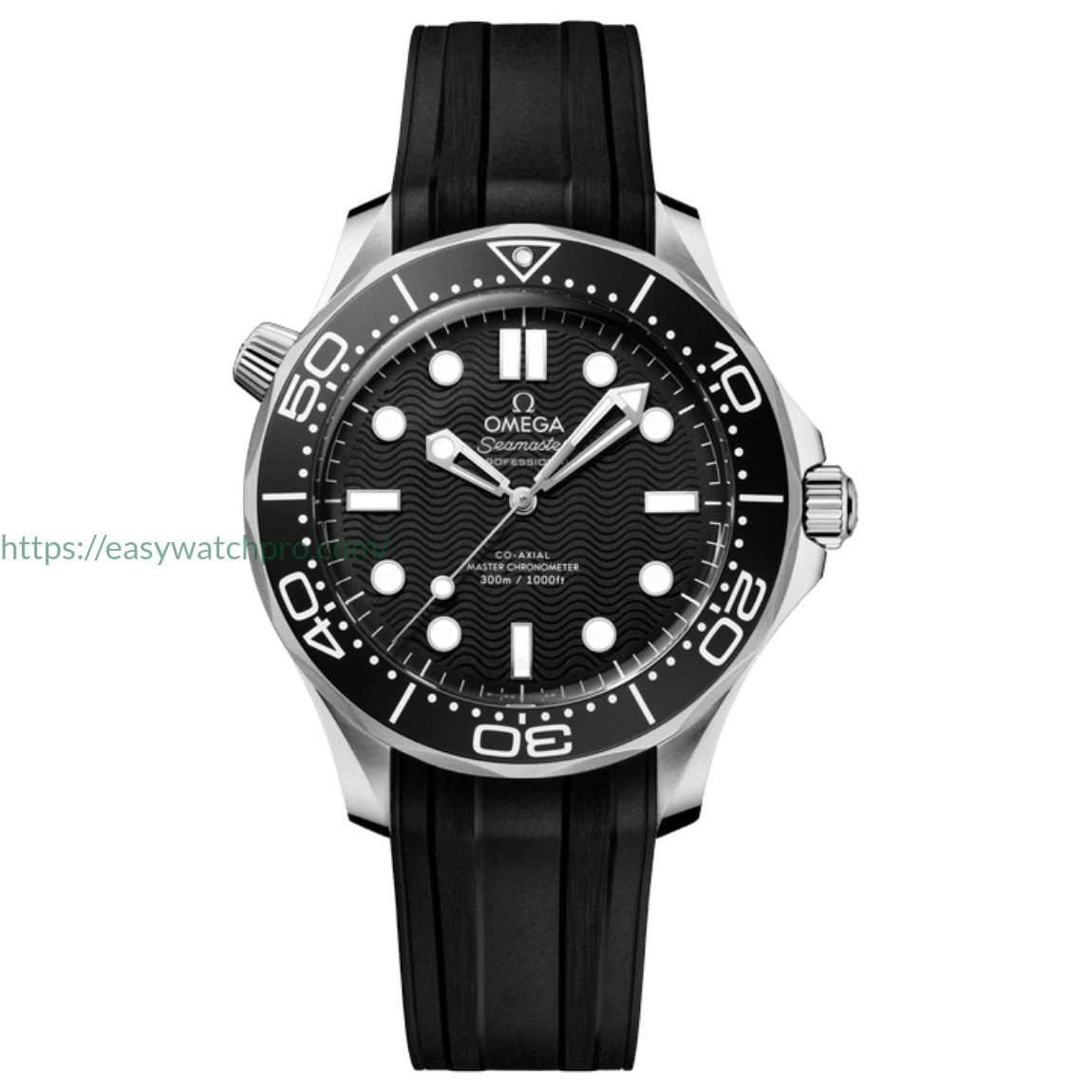
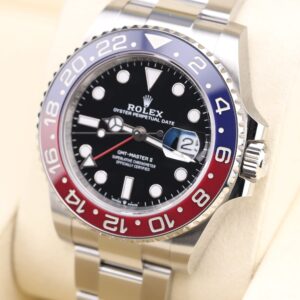
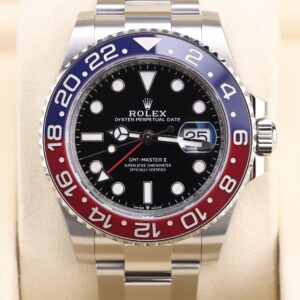
GMT-Master ll
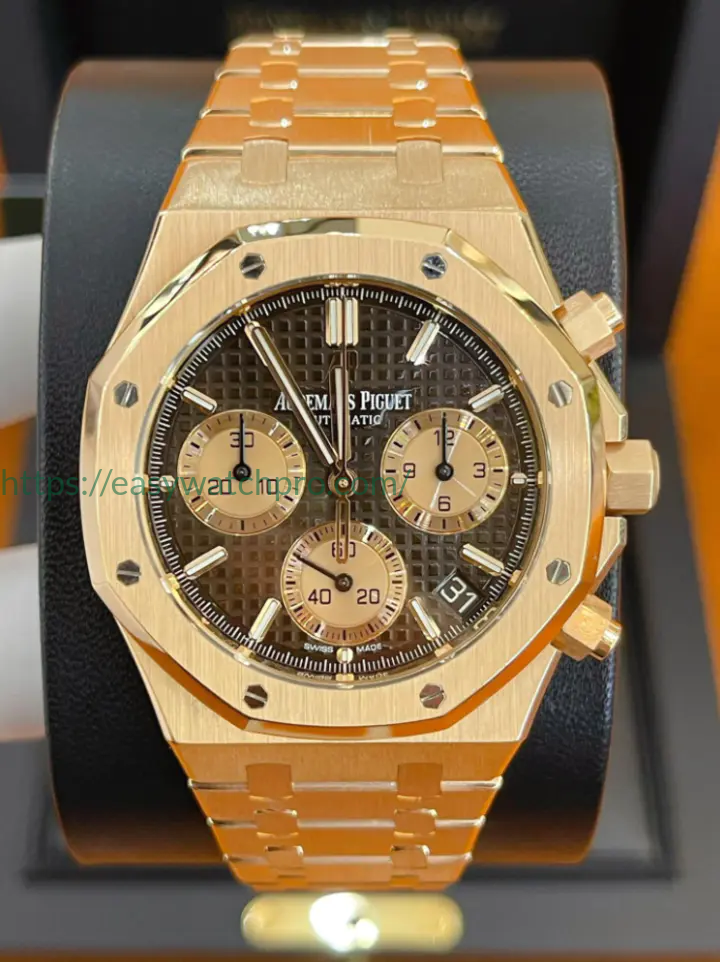
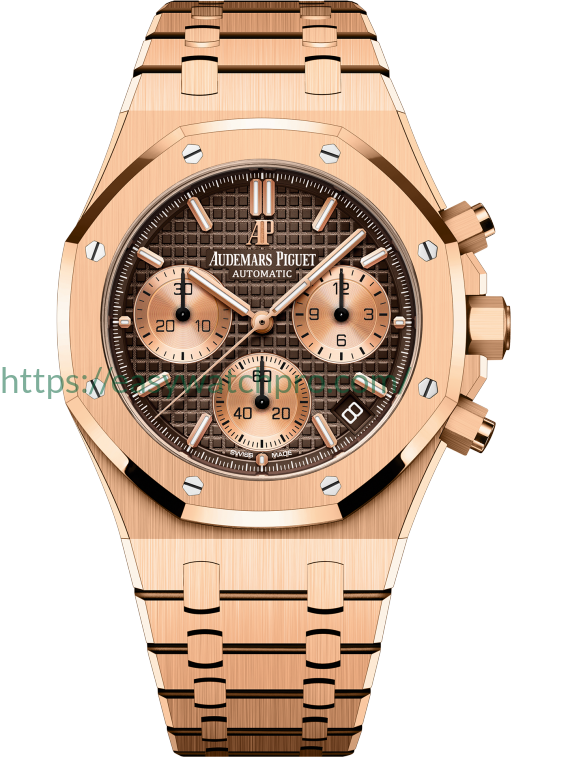
Audemars Piguet
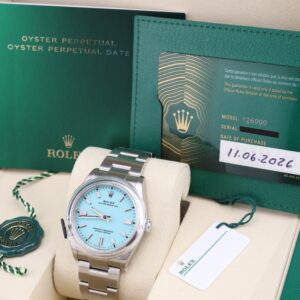
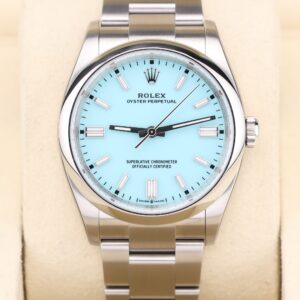
Oyster Perpetual
Rolex Oyster Perpetual 36 Tiffany Turquoise Blue Oyster 126000 Factory Stickers 2026
Complications
Richard Miller
Frequently Asked Questions
Is a Rolex actually worth the money?
For most buyers, yes — if you plan to keep it. Rolex holds 60–80% of its value on the secondary market, and popular steel sports models (Submariner, Daytona, GMT-Master II) often trade above retail. If you flip within a year, expect to lose the premium you paid.
Why are Rolex sports watches so hard to buy new?
Rolex deliberately caps production and allocates steel sports models to established VIP clients. This structural scarcity is the single biggest reason retail waitlists still exist in 2026.
What is the cheapest Rolex in 2026?
The Oyster Perpetual line is the entry point, starting around $6,000–$7,500 MSRP. On the secondary market, expect to pay a small premium over retail depending on dial color.
Does a Rolex lose value over time?
Stainless steel sports models historically appreciate. Gold and two-tone models depreciate slower than generic luxury watches but rarely outperform steel references. Service history and box/papers matter more than most buyers think.
